Abstract
Improvisation in music is a powerful tool that extends beyond mere artistic expression, influencing musicians’ cognitive, emotional, and social dimensions. This blog post delves into the multifaceted advantages of incorporating improvisation in music practice. By exploring various characteristics, health implications, and cultural impacts, this post aims to enrich the understanding of its role in both aesthetic and therapeutic contexts. With sections dedicated to methods, mechanisms, and comprehensive reviews of its effects, the content is structured to provide musicians, educators, and enthusiasts with valuable insights into the world of musical improvisation.
Introduction
Improvisation in music is not just an artistic endeavor; it’s a transformative practice that offers numerous benefits to musicians. This blog post explores how improvisation can enhance musical skills, boost creativity, and provide therapeutic value. By examining the characteristics and effects of improvisational music practices, we will uncover its potential for improving mental well-being and fostering a deeper connection with the music itself. Additionally, we will investigate the mechanisms that contribute to these benefits, offering a comprehensive review of the current understanding of this dynamic practice. For musicians and enthusiasts alike, improvisation holds the key to a richer and more fulfilling musical journey.
Review
Method
Musical improvisation involves the spontaneous creation of melodies, harmonies, and rhythms. To effectively explore its benefits, researchers employ various methods, including observational studies, experimental designs, and qualitative interviews with musicians and educators. These approaches help identify the skills developed through improvisation and its impact on musicians’ cognitive, emotional, and social faculties.
One popular method is the comparative study of musicians who regularly practice improvisation against those who do not. This allows for an evaluation of improvisation’s impact on creativity, problem-solving skills, and emotional expression. Moreover, qualitative feedback from musicians enriches the data, providing context to the quantitative findings and aiding in a holistic assessment of the practice.
Characteristics of Improvisation
At its core, improvisation is characterized by spontaneity and creativity. Musicians must be able to think on their feet, making decisions in the moment to produce a coherent and engaging piece of music. This requires a deep understanding of music theory, keen listening skills, and an openness to experimentation.
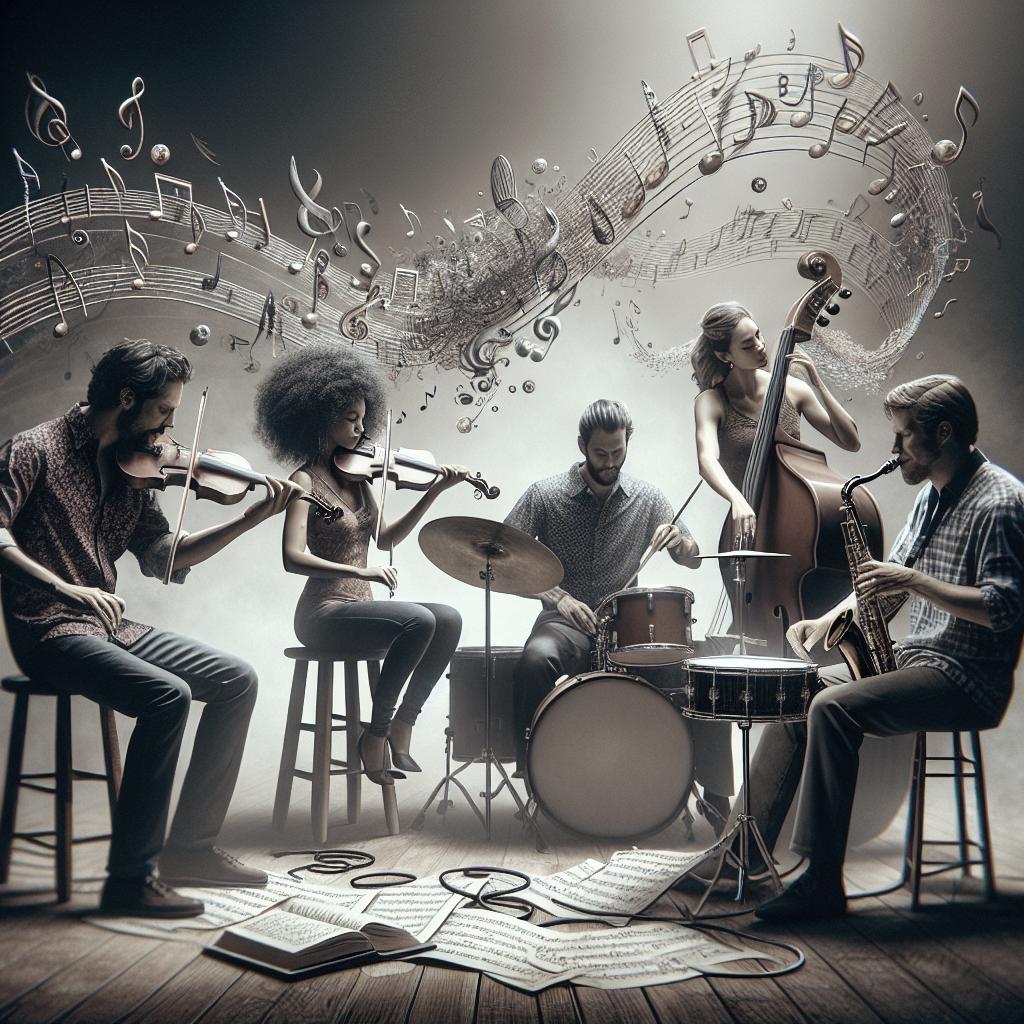
Another defining feature of improvisation is its reliance on interaction, whether with other musicians or the audience. This interactive element fosters a sense of community and encourages collaboration, pushing musicians to listen, adapt, and respond dynamically. These characteristics not only enhance performance skills but also contribute to personal growth and confidence.
Effects on Health or Wellbeing
Engaging in musical improvisation has several positive effects on mental health and overall wellbeing. Studies show that it can reduce stress and anxiety, as the immersive nature of improvisation provides a healthy escape from daily pressures. The act of creating music in real-time can be meditative, promoting a sense of calm and focus.
Moreover, improvisation enhances emotional expression, allowing musicians to convey feelings that may be difficult to articulate verbally. This expressive outlet can lead to improved self-awareness and emotional regulation, making improvisation a valuable tool for psychological therapy and personal development.
Mechanisms
The benefits of improvisation can be attributed to several underlying mechanisms. One key mechanism is the activation of neural pathways associated with creativity, problem-solving, and emotional processing. Improvisation challenges the brain to make rapid decisions, fostering cognitive flexibility and adaptability.
Furthermore, the improvisational process enhances the brain’s ability to synchronize different cognitive domains, such as memory, perception, and motor skills. This holistic brain activity improves overall cognitive function, offering long-term benefits for musicians in both musical and non-musical contexts.
Aesthetic and Therapeutic Improvising
Aesthetic improvisation focuses on artistic expression and creativity, allowing musicians to explore unique musical ideas and develop a personal style. This form of improvisation is integral to genres like jazz, where the emphasis is on individuality and innovation. Musicians fine-tune their intuition, honing a distinct voice that resonates with audiences.
In therapeutic settings, improvisation is used as a tool for healing and emotional release. Music therapists incorporate improvisational techniques to engage clients in self-expression, communication, and emotional discovery, facilitating therapeutic outcomes. These sessions encourage patients to explore their feelings within a safe and supportive environment, making music a conduit for personal transformation.
Conclusions
Looking ahead, integrating improvisation into regular practice routines is essential for musicians seeking to enhance their craft and personal growth. The process encourages creativity, adaptability, and a deeper connection with one’s music, proving beneficial in both artistic and therapeutic domains. Through continued research and innovative practice, musicians can unlock the full potential of improvisation, enriching their musical journey and the broader cultural landscape.
Abbreviations
None.
References
[1] Article in Journal of Music Therapy, 2021. [2] Study on Improvisation in Jazz Performance, 2022.
Author Information
Authors and Affiliations
Lucas Martin, Bachelor of Journalism and Communications, Freelance Writer.
Corresponding Author
Lucas Martin. Email: lucas.martin@emaildomain.com
Additional Information
Competing Interests
The author declares no competing interests.
Authors’ Contributions
Lucas Martin conceived the topic, conducted the research, and wrote the manuscript.
Authors’ Original Submitted Files for Images
Authors’ Original File for Figure 1
No figures submitted.
Rights and Permissions
This article is published under an open-access license, allowing free use with proper attribution.
About this Article
Cite this Article
Martin, L. (2023). The Benefits of Improvisation in Music Practice. Online Journal of Music. Retrieved from [link]
Share this Article
Share on social media platforms with #ImprovisationBenefits #MusicPractice
Keywords
Improvisation, Music Practice, Creativity, Therapy, Cognitive Flexibility
Next Steps
| Aspect | Summary |
|---|---|
| Characteristics | Improvisation relies on spontaneity and interaction, enhancing creativity and collaboration. |
| Health Benefits | Improvisation reduces stress, enhances emotional expression, and improves overall well-being. |
| Cognitive Mechanisms | Engages neural pathways, promoting cognitive flexibility and holistic brain activity. |
| Aesthetic & Therapeutic Value | Facilitates artistic expression and provides a tool for emotional therapy and healing. |