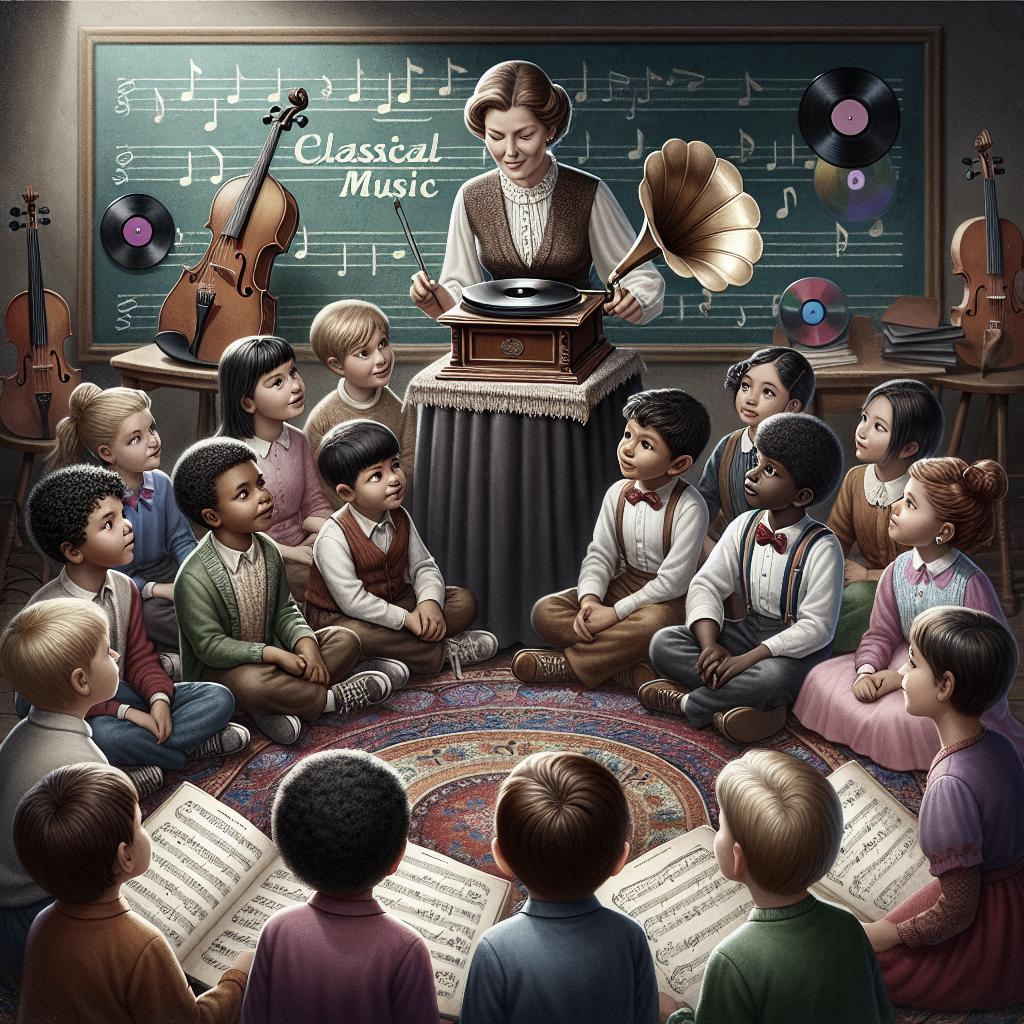
Engaging Young Audiences with Classical Music
Classical music, an artistic treasure trove, has the power to captivate audiences across generations. However, attracting younger listeners necessitates innovative strategies. This blog delves into diverse programming, breaking free from traditional silos, and integrating contemporary music with classical repertoire. By examining successful orchestras and initiatives, we’ll explore how to invigorate classical music scenes, boost engagement, and ensure its relevance in modern culture. Whether through non-traditional performances or creative programming, the path to future success lies in harmonizing variety and novelty with age-old musical excellence.
A Better Way to Make Money — And Grow Audiences — Than Pops Alone
Traditionally, pops concerts have obtained a significant portion of orchestra revenue, attracting audiences seeking familiar and light-hearted experiences. However, relying solely on these can limit an ensemble’s financial growth and creative reach. To maintain fiscal health while broadening appeal, orchestras should consider diverse programming that blends classical and contemporary works.
Emphasizing multidimensional programming can attract a broader audience, including young listeners keen to explore different genres. This strategy not only promises increased ticket sales but also long-term audience development, nurturing a new generation of classical music enthusiasts. By expanding their horizons beyond pops, orchestras can secure a more sustainable future.
“Using sacred siloes in our programming is a disservice to our cause.”
Clinging to traditional programming siloes—strictly separating classical works from contemporary compositions—limits the potential for engaging audiences. This division often dissuades younger listeners who crave diverse and dynamic experiences. Thus, a more fluid approach to programming is crucial.
By breaking these barriers, orchestras can create innovative and appealing programs that highlight the depth and variety of the classical repertoire. This approach not only draws in younger audiences but also demonstrates a commitment to fostering creativity and adaptation in the world of classical music.
Non-Traditional, Non-Siloed Programs
Non-traditional programming offers a refreshing departure from conventional concert formats. Innovative approaches, such as thematic concerts or collaborations with other art forms, can rejuvenate interest in classical music. These experiences offer audiences a richer, more engaging concert-going experience.
Additionally, by merging multiple genres and formats, orchestras can create eclectic programs that appeal to varied tastes. Such initiatives challenge the norms of classical music presentation and invite a broader array of people, particularly tech-savvy and musically curious youth, to explore new sounds and interpretations.
“We used new music and turned into a fundraising gold mine. How many orchestras are doing that? Not enough.”
Embracing new music has proven to be a lucrative strategy for many orchestras, creating opportunities for audience engagement and fundraising. Presenting premieres and commissioned works uniquely positions an orchestra as a leader in contemporary music, attracting those eager to experience what’s new and next.
Fundraising concerts featuring new compositions tend to draw interest from local patrons and benefactors who are passionate about supporting innovative cultural endeavors. When executed effectively, these events serve as a testament to the orchestra’s commitment to broadcast even the most avant-garde artistic expressions.
What to do Instead of Siloed Programming
Instead of adhering to rigid programming structures, orchestras should strive for thematic integration, combining different musical elements that resonate with modern audiences. This can involve merging classical pieces with film scores, popular music, or interdisciplinary arts, creating concerts that offer a narrative journey.
By employing creative programming mixes, orchestras stand to benefit from increased interest and attendance. Additionally, this strategy nurtures a vibrant music culture that appeals to a wide range of listeners, celebrating the full spectrum of musical discovery and enjoyment.
More Free Content Like This
Share this:
Feel free to share this post with those who might find it inspiring or relevant to their interests!
Related
Explore our related articles to delve deeper into musical innovation and audience development strategies.
Get free articles and solutions every month when you subscribe.
Join our community and subscribe for regular updates on creative strategies across the orchestral world.
“If you want to develop an audience that likes a variety of good music, then program a variety of good music.”
To cultivate an audience with eclectic tastes, it is essential to offer programs that span various genres and musical styles. This inclusive approach invites a diverse demographic to explore the richness of classical music without the limitations of traditional programming confines.
By championing a variety-led programming ethos, orchestras can deliver refreshing and innovative concert experiences. This can ultimately foster a sense of excitement and curiosity, enriching the cultural landscape and captivating the next generation of music enthusiasts.
Final Thoughts
Engaging young audiences with classical music requires a mix of creativity, openness, and innovation. Embracing new music, promoting genre-blended programs, and stepping away from siloed programming are vital steps toward revitalizing this timeless art form. As orchestras expand their efforts to connect with younger audiences, they can ensure that classical music remains a vibrant and dynamic part of contemporary culture.
| Section | Summary |
|---|---|
| A Better Way to Make Money — And Grow Audiences — Than Pops Alone | Embrace diverse programming to increase engagement and financial growth. |
| “Using sacred siloes in our programming is a disservice to our cause.” | Breaking programming silos enhances creativity and attracts younger audiences. |
| Non-Traditional, Non-Siloed Programs | Innovative programs merge genres for enriched listening experiences. |
| “We used new music and turned into a fundraising gold mine. How many orchestras are doing that? Not enough.” | New music attracts audiences and boosts fundraising opportunities. |
| What to do Instead of Siloed Programming | Thematic integration fuels interest and nurtures a vibrant music culture. |
| More Free Content Like This | Highlights opportunities for further engagement and knowledge sharing. |
| “If you want to develop an audience that likes a variety of good music, then program a variety of good music.” | Diverse programming attracts a wide range of musical tastes. |
| Final Thoughts | Innovation, creativity, and openness are essential for revitalizing classical music. |
About the Author
Lucas Martin is a young and passionate journalist specializing in writing about technology, arts, and culture. As a recent communications graduate, Lucas has honed his skills in engaging storytelling through internships and his own blog projects. With a keen interest in innovation and digital storytelling, Lucas aims to bring classical music to life for new generations, ensuring it continues to inspire and captivate.