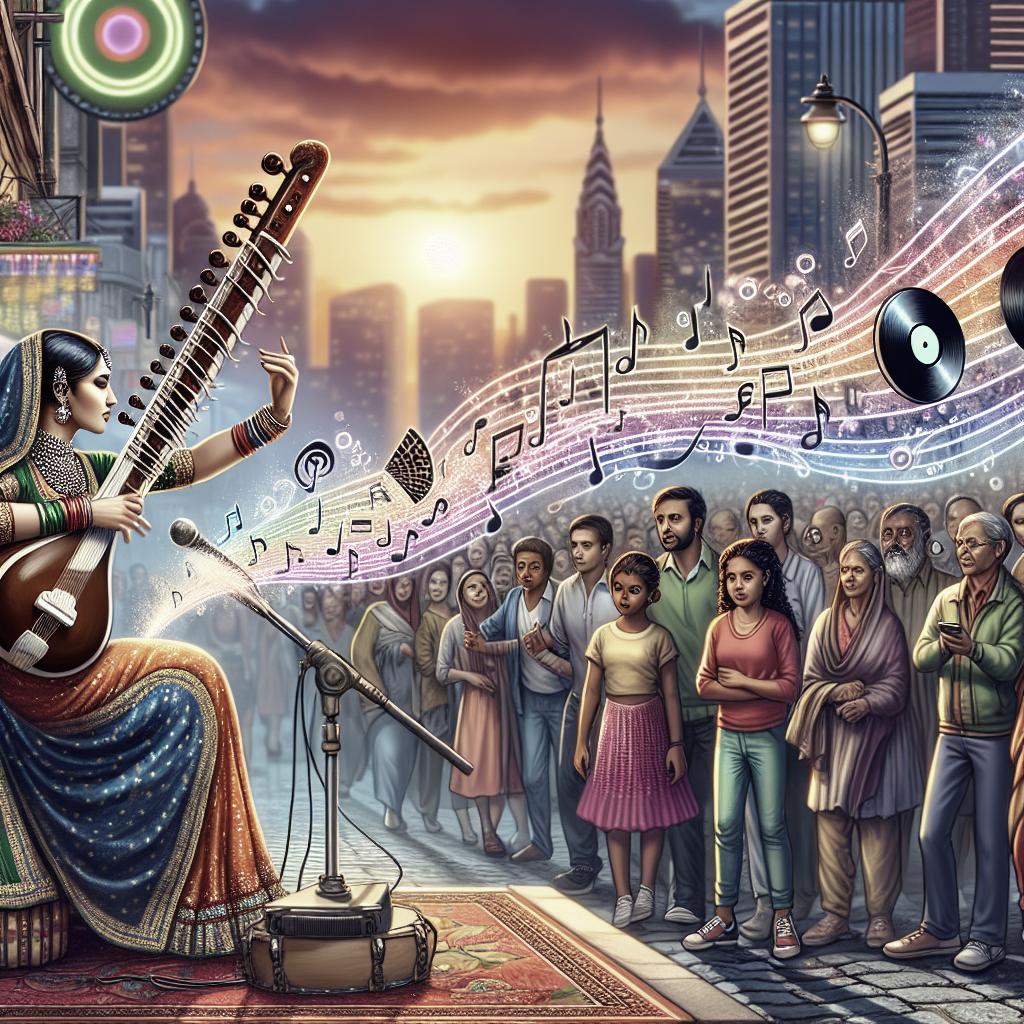
Adapting Traditional Music for Modern Audiences
The music landscape is constantly shifting, influenced by technological advancements and evolving consumer preferences. This dynamic environment presents both challenges and opportunities for traditional music genres such as folk. To remain relevant, traditional music must find innovative ways to reach and resonate with modern audiences. This article explores various strategies to refresh folk music, including leveraging digital platforms, building a local fanbase, and exploring alternative funding sources. It also highlights the potential of creating unique audience experiences and reframing the narrative around traditional music. Aspiring musicians can take valuable lessons from these strategies, ensuring that the rich stories and melodies of folk music endure in today’s digital age.
The Future of Folk Music: Breaking Free from Gatekeepers and Finding New Paths
Folk music, deeply rooted in cultural traditions, has relied heavily on established channels and gatekeepers to reach audiences, but times are changing. Artists now have the unique opportunity to self-produce and distribute their music, bypassing these traditional gatekeepers and reclaiming creative freedom. This democratization of music distribution empowers musicians to directly engage with fans and explore innovative pathways to exposure.
By breaking free from the constraints of conventional music industry pathways, folk musicians can experiment with their sound, embrace collaborations, and imbue their music with contemporary influences. This creates a fresh take on traditional sounds, widening their appeal and breathing new life into genre conventions. As gatekeepers lose their stronghold, artists can tap into niche communities that appreciate the authenticity and raw spirit of folk music.
Leveraging Digital Platforms
In today’s digital-first world, platforms like Spotify, Apple Music, and YouTube have become indispensable for reaching global audiences. By maintaining an active presence on these platforms, folk musicians can distribute their music broadly, gaining visibility and discovering new listeners. Algorithms on these platforms suggest music aligned with user preferences, potentially introducing folk music to unfamiliar but interested ears.
Social media platforms also provide vital tools for connecting with fans and building a community. Instagram, TikTok, and Twitter enable musicians to share behind-the-scenes content, interact with followers, and participate in global trends. Embracing these digital tools allows traditional musicians to forge a stronger connection with the younger, digital-savvy crowd, expanding their reach beyond traditional listeners.
Building a Local Fan Base
While global exposure is crucial, establishing a strong local fan base can serve as the foundation for long-term success. By participating in local music festivals, open mic nights, and cultural events, folk musicians can build rapport within their community. This grassroots support not only aids in spreading their music organically but also fosters a sense of belonging and loyalty among fans.
Nurturing a local following also provides valuable feedback for musicians to refine their craft and tailor their music to audience preferences. This intimate knowledge of their audience can inform future projects and guide them in making strategic career decisions. Ultimately, a loyal local fan base can become ambassadors for the artist, furthering their reach and credibility.
Crowdfunding and Direct Fan Support
Crowdfunding has emerged as a powerful tool for musicians to gather financial support directly from their audience. Platforms like Kickstarter, Patreon, and GoFundMe allow artists to generate funds for projects, tours, or recording sessions while forming a direct line of communication with their supporters. By offering tiered rewards, such as exclusive content or merchandise, musicians can incentivize fan contributions.
The direct support model strengthens the relationship between musicians and fans, fostering a community invested in the artist’s success. For folk musicians, this financial backing not only maintains their independence but also demonstrates the tangible value of their art to those who appreciate it. Crowdfunding serves as both a financial engine and a community-building tool.
DIY Touring and Collaborations
Touring remains a vital aspect of connecting with audiences, and the DIY approach can be a cost-effective yet meaningful way to bring folk music to new regions. By organizing small, intimate concerts or house shows, musicians create personal and memorable experiences for their audiences while minimizing overhead costs typically associated with traditional tours.
Collaborations with artists from different genres or cultural backgrounds can also introduce folk musicians to new audiences. By blending different musical styles, artists can create innovative compositions that entice listeners from varied demographics. These collaborations can provide exposure across different fan bases, presenting folk music in a novel and appealing form.
Creating Unique Experiences
Today’s music consumers often seek an experience beyond just listening. For folk musicians, creating immersive and interactive events can capture audience attention. Storytelling concerts, intimate gatherings by candlelight, or integrating visual arts into performances can foster a unique ambiance that appeals to modern sensibilities.
Such distinctive experiences make concerts memorable and shareable, both online and offline. By tapping into local customs or integrating regional instruments and folktales, musicians can craft performances that resonate deeply and leave lasting impressions. These unique experiences can also serve as a creative outlet for musicians to experiment with their art in new and exciting ways.
Exploring Alternative Media
Beyond traditional radio play and television appearances, alternative media such as podcasts, vlogs, and livestreams provide fresh platforms for folk musicians to share their stories and music. Guest appearances on popular podcasts or livestream collaborations with influencers can introduce folk music to diverse audiences, often in an engaging and conversational format.
These media outlets foster a more personal connection with audiences, offering behind-the-scenes insights, in-depth discussions about music, and performances that feel exclusive. Exploring these channels helps musicians reach niche audiences who value authenticity and storytelling, key aspects of folk music that resonate with modern values.
Taking Control of Your Narrative
In an age of social media and instant communication, musicians have unparalleled opportunities to shape their narratives. Folk musicians can harness this power by sharing authentic stories, inspirations, and struggles directly with their audience. This approach fosters transparency and builds a compelling brand identity that resonates with today’s value-driven listeners.
Owning one’s narrative allows musicians to combat stereotypes and redefine perceptions of folk music. By aligning their storytelling with contemporary themes or socio-political issues, musicians can engage audiences on a deeper level, fostering an emotional connection that translates into lasting support and advocacy.
Alternative Funding Sources
While traditional funding routes like record labels and grants are valuable, exploring alternative funding sources can provide additional financial freedom. Sync licensing deals, where music is used in films, advertisements, or video games, offer lucrative opportunities for musicians to monetize their work while reaching wide audiences.
Additionally, partnerships with local businesses or cultural organizations can provide funding or resources in exchange for performances or collaborations. Musicians who actively seek and leverage these opportunities position themselves for sustainable careers, balancing artistic vision with financial stability.
Is Folk Music an Aging Community?
There’s often a perception that folk music predominantly resonates with older audiences due to its traditional roots. However, this stereotype overlooks the genre’s versatility and ability to evolve. By modernizing their sound and presentation, folk musicians can captivate younger audiences and dismantle the myth that folk music is reserved for previous generations.
Incorporating contemporary themes, innovative sounds, and youthful energy into performances goes a long way in shaking off the “aging community” label. By highlighting the relevance and vibrancy of folk music, musicians contribute to a growing movement that celebrates folk traditions while inviting new listeners to join the fold.
The Changing Perception of Folk
As societal values evolve, so too does the perception of folk music. Often regarded as music steeped in history and tradition, folk now emerges as a medium of storytelling that speaks to modern challenges and narratives. Contemporary folk musicians embrace this evolution, using their platform to address pressing issues such as environmental concerns, social justice, and cultural preservation.
This shift in perception empowers musicians to redefine what it means to create folk music in today’s world. By aligning with the diverse, multicultural fabric of modern society, folk music becomes a powerful tool for connection and change, resonating with audiences across age and geography.
The Power of Taking Control
Ultimately, the power lies in the hands of folk musicians to adapt to these changing tides. By taking control of their music, narrative, and distribution, they can build enduring and meaningful connections with audiences. This autonomy allows them to embrace new trends, experiment with their sound, and maintain authenticity in a rapidly evolving musical landscape.
The journey to modernize folk music is not without its challenges, but the potential rewards are immense. Through innovation and creativity, musicians can ensure that the timeless stories and melodies of folk music continue to inspire and resonate with generations to come.
Lessons Learned
| Strategy | Description |
|---|---|
| Breaking Free from Gatekeepers | Empowerment of musicians to distribute and control their music independently. |
| Leveraging Digital Platforms | Using platforms like Spotify and social media to reach a global audience. |
| Building a Local Fan Base | Engaging with local communities to create a foundation of dedicated fans. |
| Crowdfunding and Direct Support | Gathering financial backing directly from fans to maintain independence. |
| DIY Touring and Collaborations | Cost-effective live performances and cross-genre partnerships to reach wider audiences. |
| Creating Unique Experiences | Providing immersive and memorable performances that engage audiences. |
| Exploring Alternative Media | Using podcasts, vlogs, and livestreams to share music and stories. |
| Taking Control of Your Narrative | Shaping the artist’s story and perception through direct engagement with fans. |
| Alternative Funding Sources | Sourcing financial support through sync licensing and local partnerships. |
| Changing Perceptions | Modernizing folk music to attract younger audiences and address contemporary themes. |