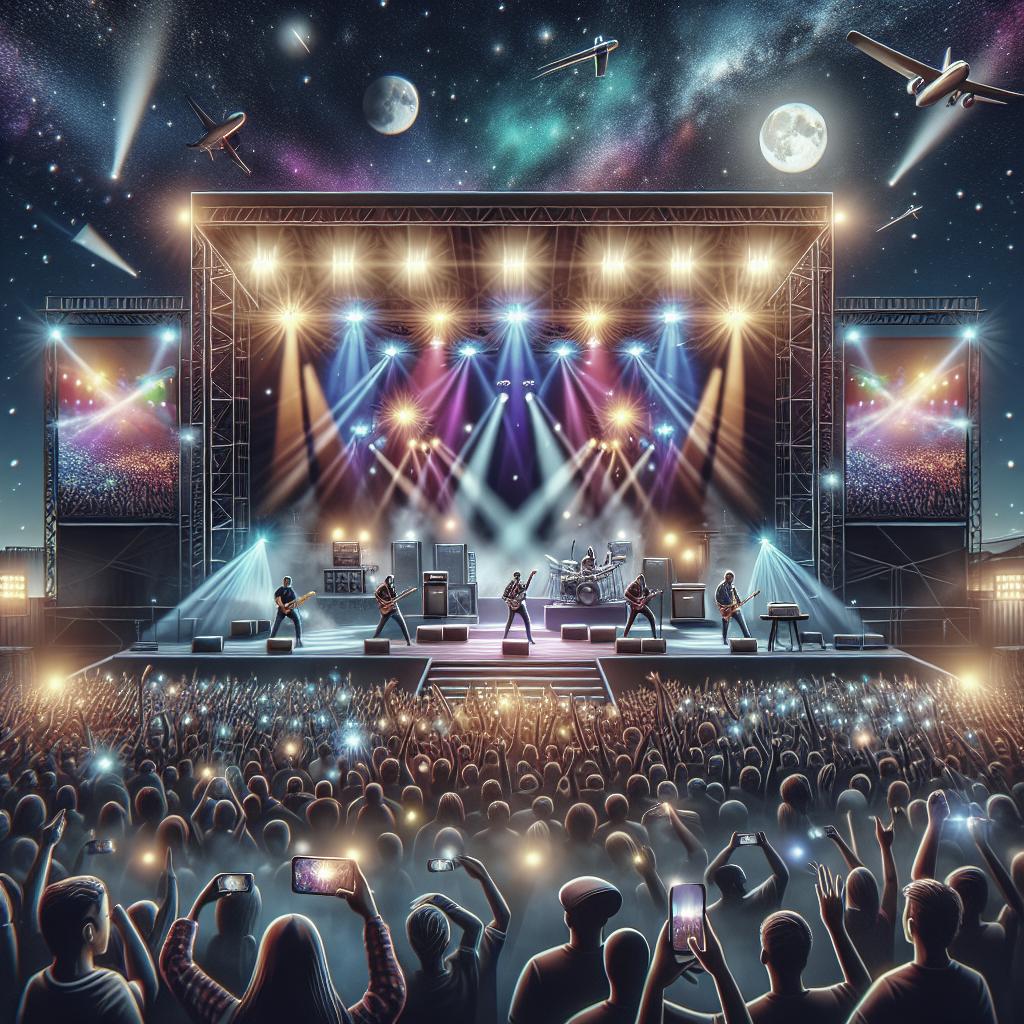
Creating a Memorable Music Event Experience
Planning a music event can be an exhilarating yet challenging endeavor. Whether you’re hosting a small gathering or a large festival, creating a memorable music event requires understanding various elements such as the selection of music genres, alignment with the event’s theme, and the logistic arrangements for space and sound. Additionally, effectively managing performance timelines and working within budget constraints while negotiating with performers is crucial. This article provides insightful tips to guide you in crafting a music event that leaves your audience with unforgettable memories.
Tips for Planning Live Music for Your Event
When planning live music for your event, it’s vital to define the event’s purpose and audience expectations. Are you planning a charity fundraiser or a family gathering? Determining the goal of the event will guide your choice of performers and overall music vibe. Knowing your audience is equally important. Understanding their musical preferences and expectations will help ensure the event resonates with them.
It’s also crucial to assess the event’s venue and timing. Will the event be held indoors or outdoors? Morning, afternoon, or evening? Each of these factors can influence the type of music and performers you choose. For instance, an acoustic set might be more suitable for an intimate indoor evening event, whereas a full band would be ideal for an outdoor summer festival. Adequate planning accommodates these nuances, ensuring every detail contributes to the event’s success.
Music Genres for Different Types of Events
Choosing the right music genre is a foundational step in crafting a memorable event. Different genres bring different vibes and can significantly affect the event’s atmosphere. For corporate events, jazz or classical music offers a sophisticated ambiance. In contrast, for high-energy events like sports meets, rock or pop is more appropriate.
Wedding or anniversary events can benefit from versatile genres like R&B, soul, or romantic ballads that highlight the celebratory and emotional nature of the occasion. For themed parties, consider genres that align with the theme, such as reggae for a Caribbean night or swing music for a retro-themed event. The genre should align perfectly with the event’s purpose and desired atmosphere.
Matching the Music to the Event Theme and Audience
A successful event connects music to its theme and audience effectively. Embrace the theme in your music choices, ensuring it reinforces the overall message and enhances the audience’s experience. If you’re hosting a 1980s-themed party, selecting hits from that decade immerses guests in the nostalgia.
Furthermore, understanding your audience’s demographics plays a significant role. Young adults might prefer contemporary or trending music, whereas a mature audience might appreciate classic hits or soft rock. Customizing the playlist based on audience insights guarantees that the music resonates, enriching the participants’ experience.
Navigating the Logistics of Equipment, Space, and Sound
Managing the logistics is an essential facet of executing a successful music event. Firstly, ensure you have the required sound equipment, including microphones, speakers, and mixing consoles, to accommodate the event’s size and venue layout. Engaging a sound engineer guarantees professional management, adapting to any acoustic challenges the venue might present.
Regarding space, ensure the stage area is sufficient for performers and allows optimal visibility from the audience’s perspective. A well-laid plan for performer setup and transitions ensures the event proceeds smoothly without long delays or technical issues. Adequate attention to these logistical elements will enhance the event’s quality and the audience’s experience.
Managing the Timeline of Live Music Performances
Crafting an event timeline is pivotal to ensuring smooth operation. Begin by scheduling soundchecks well in advance of the event’s start time, allowing performers time to adjust to the space and sound system. Clearly delineate performance slots, ensuring there’s ample time for transitions and improvisations without overlapping speakers or other activities.
Having a timeline coordinator or stage manager can provide real-time oversight, keeping everything on track and smoothly transitioning between parts of the program. These organized efforts contribute to a seamless experience for both the performers and audience, preventing bottlenecks and maintaining engagement throughout the event.
Budgeting and Negotiations with Performers
Budgeting is a cornerstone of event planning, impacting your lineup and production capabilities. Begin by determining the overall event budget, factoring in costs for performers, equipment rental, and additional elements like licensing fees. Allocate funds wisely to balance high-quality acts with other necessary expenses.
Negotiating with performers requires tact and flexibility. Understand their fee structures and be prepared to discuss options like profit-sharing or reduced rates in exchange for promotional benefits. Building a good rapport with artists and clearly communicating expectations ensures a mutual understanding and successful collaboration.
Lessons Learned
| Aspect | Key Points |
|---|---|
| Planning | Define event purpose and audience; assess venue and timing |
| Music Genres | Select genres aligned with event type; match mood and atmosphere |
| Theme and Audience | Match music to theme; consider audience demographics |
| Logistics | Ensure proper equipment and space; manage sound logistics |
| Timeline | Schedule performances and transitions; assign a timeline coordinator |
| Budgeting | Allocate funds wisely; negotiate effectively with performers |