How Does Music Impact Social Change?
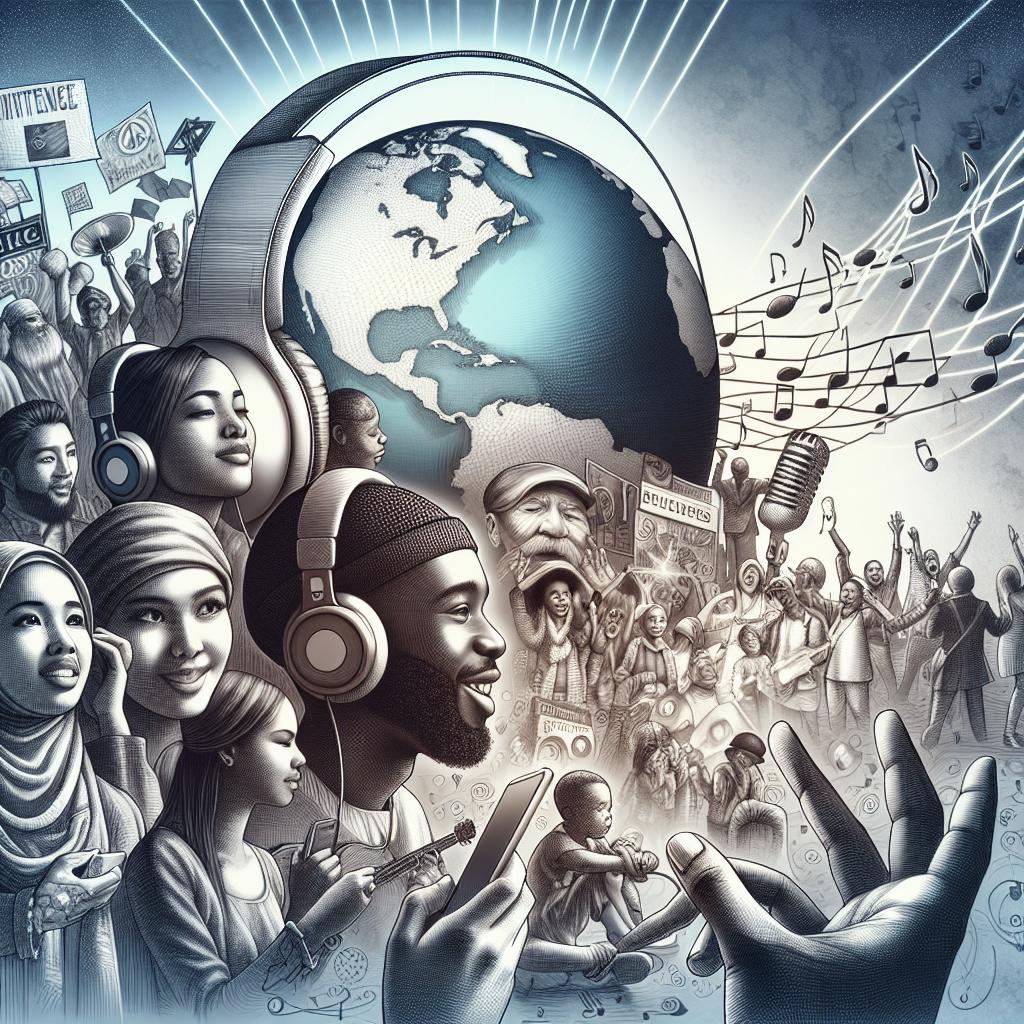
Music has long been a catalyst for social change, transcending borders and uniting people under common causes. The profound impact of pop music on political landscapes has been evident through history, serving as both a mirror and a molder of societal values. This article explores the dynamic relationship between pop music and politics, detailing the origins of protest anthems, the influential role of pop icons turned activists, and how music continues to galvanize political movements today. Ultimately, we will uncover the harmonizing synergy that music and politics create, demonstrating the power of art to challenge the status quo and inspire profound transformation.
The Relationship Between Pop Music and Politics is a Dynamic and Indispensable One. It’s a Testament to the Power of Art to Shape, Challenge, and Inspire.
Throughout history, pop music has served as both a reflection of political climates and a tool to inspire change. Artists have often used their platforms to shine a spotlight on societal issues, resonating with audiences worldwide. This intersection of pop music and politics creates a feedback loop where art not only depicts current events but also fuels momentum for reform. The relationship between these two realms is symbiotic: as music channels the zeitgeist, politics becomes more accessible and culturally relevant.
Musical acts from every era have harnessed their influence to sway public opinion and instigate movements. Songs become anthems for change when they articulate shared frustrations and hopes, offering solace and solidarity to listeners. By marrying catchy rhythms with poignant messages, pop music has the unique ability to engage and mobilize diverse demographics, serving as an indispensable force in driving social change.
Written by
Zach Perrier
The Birth of Protest Anthems
The tradition of musical protest can be traced back to folk and spiritual songs that offered commentary on social injustices and aspirations for equality. However, the rise of pop music in the 20th century brought a new dimension to this practice, with artists crafting infectious tunes that bore powerful messages. During the turbulent 1960s, protest anthems gained prominence as musicians like Bob Dylan and Joan Baez used their art to address civil rights, war, and inequality, captivating the hearts and minds of a generation yearning for change.
These early anthems were more than just songs; they were rallying cries that inspired action and unity. The era of counterculture saw music becoming a means of resistance, challenging established norms and institutions. This marked the commencement of a tradition where musicians wouldn’t shy away from using their lyrics as instruments of political discourse, forging a legacy that would influence future generations of artists.
The Pop Icons Who Became Activists
Throughout the decades, various pop icons have taken on the role of activists, using their celebrity status to champion causes and bring attention to global issues. Artists like John Lennon and Yoko Ono famously staged their “Bed-ins for Peace,” illustrating how celebrity influence could be leveraged for anti-war efforts. In more recent times, stars like Beyoncé and Lady Gaga have used their prominence to advocate for social justice, equal rights, and other pertinent issues.
These influential figures exemplify how pop music transcends mere entertainment, becoming a platform for political engagement. By vocalizing their beliefs and participating in activism, these artists have inspired their fans to take a stand as well. This transformation from musician to activist underscores the potential of pop culture to impact real-world issues, mobilizing fans around the globe toward social progress.
Music’s Continuing Impact on Political Activism
In today’s digital age, the impact of music on political activism is more pronounced than ever. Social media platforms have broadened the reach of protest songs, allowing them to go viral and influence millions within moments. Artists craft songs that resonate with contemporary issues, ensuring that their messages remain relevant and impactful. Through collaborations with social initiatives, musicians continue to shine a spotlight on pertinent causes, motivating societal engagement.
For example, movements like Black Lives Matter have seen artists like H.E.R. and Kendrick Lamar release tracks amplifying the fight for racial equality and justice. By aligning their music with political causes, these musicians not only raise awareness but also contribute to the ongoing dialogue about these issues. This synergy enhances the effectiveness of political activism, with music serving as both a catalyst for discussion and a beacon of hope.
Harmonizing Change: The Transformative Synergy of Pop Music and Politics
As pop music continues to intertwine with politics, its transformative power becomes even more apparent. The synergy between music and activism harnesses the emotive power of lyrics and melody to foster empathy, passion, and solidarity. Through this harmonization, artists are able to engage deeply with audiences, encouraging them to consider and challenge societal norms.
The future trajectory of this relationship hinges on the willingness of artists to remain vocal about social issues. As long as musicians continue to use their art as a platform for advocacy, pop music will remain a critical vehicle for inspiring change. Its capacity to connect emotionally and universally makes it a potent tool in the ongoing quest for social justice and equality.
Lessons Learned
| Section | Summary |
|---|---|
| The Relationship Between Pop Music and Politics | Pop music reflects and influences political climates, driving societal change with its emotive power. |
| The Birth of Protest Anthems | Protest anthems emerged in the 20th century as musicians conveyed powerful societal messages through their songs. |
| The Pop Icons Who Became Activists | From John Lennon to Beyoncé, pop icons have used their platforms to advocate for social justice and inspire change. |
| Music’s Continuing Impact on Political Activism | In the digital age, music remains pivotal in political activism, amplifying current issues and encouraging societal engagement. |
| Harmonizing Change | The synergy of music and politics fosters empathy and solidarity, critical for driving social justice and equality forward. |